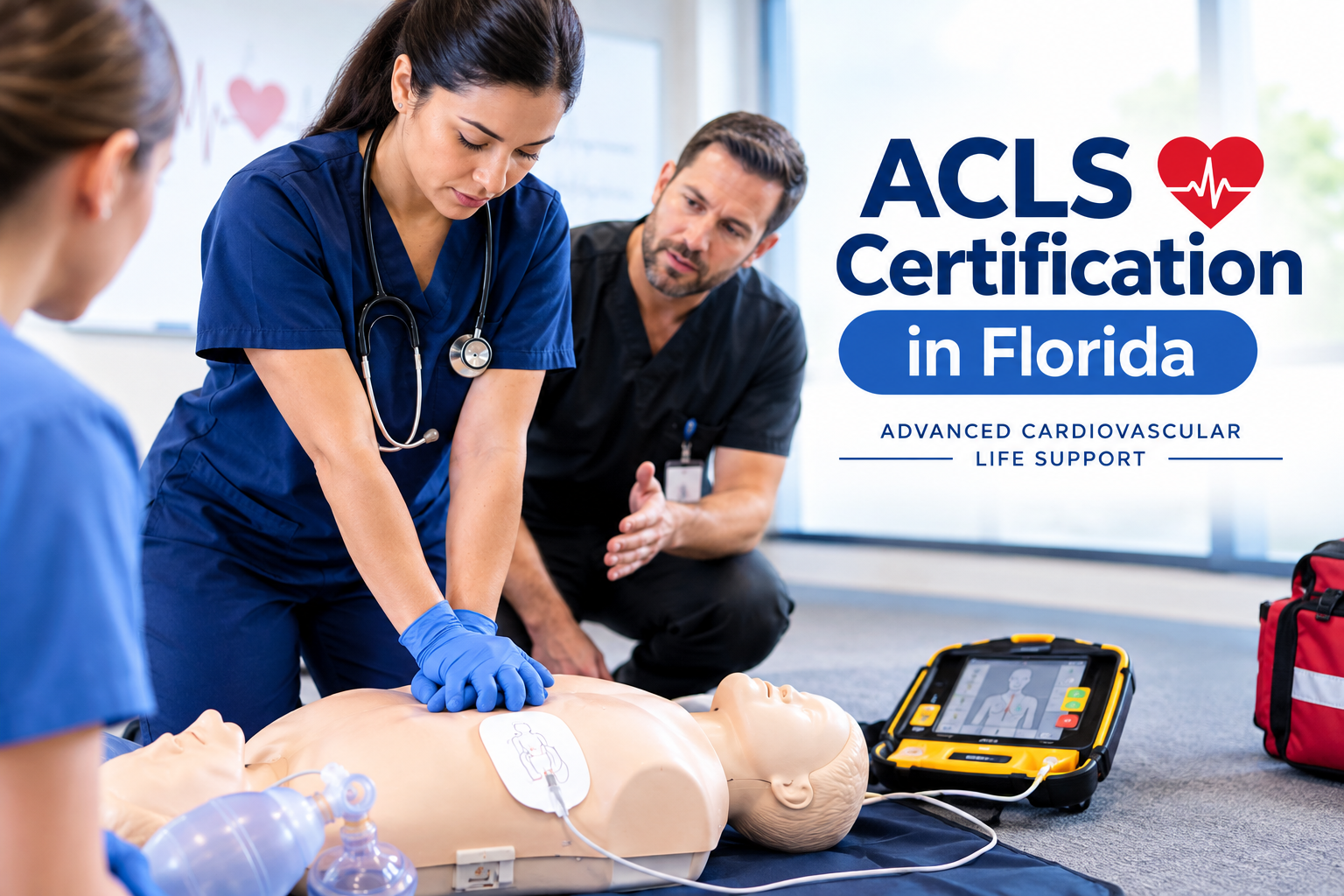
How to Choose an AHA ACLS Course in Florida

Searching for ACLS certification in Florida can bring up classroom courses, online programs, skills-only appointments, and self-guided training. The right choice depends on the credential you need, what you have already completed, and how you prefer to learn.

Before comparing appointment times, confirm that the course will meet your employer’s requirements and that you understand everything included in the registration.

What is ACLS certification?

ACLS stands for Advanced Cardiovascular Life Support. It builds on Basic Life Support skills and emphasizes effective response to cardiovascular emergencies, high-quality CPR, and coordinated resuscitation teams.

An AHA ACLS Provider eCard is valid for two years after successful course completion. cpr.heart.org

ACLS may be required for particular clinical roles, but it is not automatically required for every healthcare worker. Check the requirements for your position, department, or training program.

Understand the three training formats

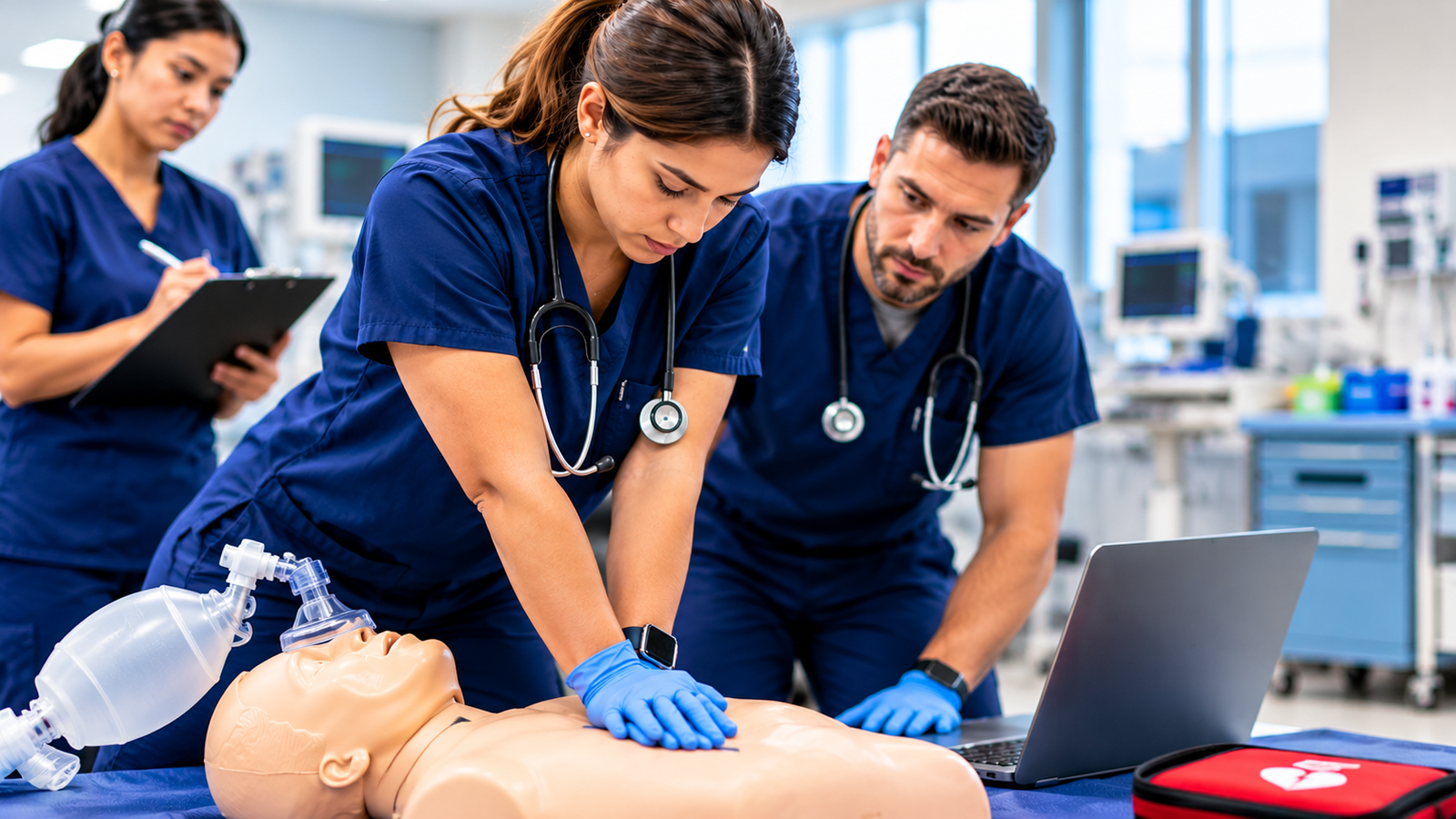
Instructor-led classroom training brings learners together with an instructor for teaching, practice, and assessment. This may appeal to someone who wants live discussion throughout the learning experience.

Blended learning combines HeartCode ACLS online coursework with a subsequent hands-on session.

Self-guided learning combines online education with practical skills verification at an approved CPR Verification Station. The station provides feedback during the skills process. cpr.heart.org

When comparing courses, ask which format is being offered. “Online ACLS” is not a complete description of what you will need to do.

Can you complete AHA ACLS entirely online?

You can complete the cognitive portion online, but an online completion record alone is not the final AHA ACLS Provider eCard. The required practical component must also be completed successfully. cpr.heart.org

Before purchasing an online course, find out where and how you will complete the hands-on portion. This is particularly useful if you live some distance from a training location or need to coordinate travel around shifts.

Compare the complete booking, not just the advertised price

A lower advertised price may cover only one component of training. Before paying, check:

  • Does registration include the online coursework?
  • Is the hands-on session included or purchased separately?
  • Which organization issues the final credential?
  • What documentation must you bring?
  • Where does the practical session take place?
  • What happens if you need additional practice or rescheduling?

These questions help you compare equivalent options and avoid discovering a missing requirement after purchase.

How much time should you allow?

Completion time varies by course format, experience, and performance. Self-paced training allows flexibility, but it still requires time and attention.

Do not confuse the length of a station appointment with the total time needed for online coursework, preparation, and hands-on assessment. The AHA specifically notes that self-guided ACLS timing varies with the learner’s experience. cpr.heart.org

If this is your first ACLS course, ask the provider about preparation and available support before selecting a format.

Where does Finish Strong offer ACLS in Florida?

Finish Strong CPR & Medical Training currently offers ACLS options at four Florida locations:

  • Orlando
  • Port Saint Lucie
  • Stuart
  • West Palm Beach/Lake Park

Providers traveling from other Florida communities, including Fort Pierce and Palm Bay, should review the current station addresses and appointment availability before registering. Finish Strong CPR

Choose a location based on your actual travel plans and schedule. A statewide search result does not necessarily mean a provider has a station in your city.

Choose your course with confidence

Start with your employer’s credential requirement, decide whether you need the complete package or skills only, and select a training format that supports your learning needs.

Explore Finish Strong’s ACLS course options or review the Florida training locations.

ACLS Certification for Fort Pierce Healthcare Providers

Healthcare providers in Fort Pierce can complete AHA ACLS training through online HeartCode coursework followed by hands-on skills at Finish Strong CPR & Medical Training’s Port Saint Lucie station. This option allows you to complete the learning portion around your schedule before attending your practical appointment.

Whether you are preparing for a new position or approaching your renewal deadline, start by confirming the credential your employer requires and choosing the correct registration option.

Who needs ACLS in Fort Pierce?

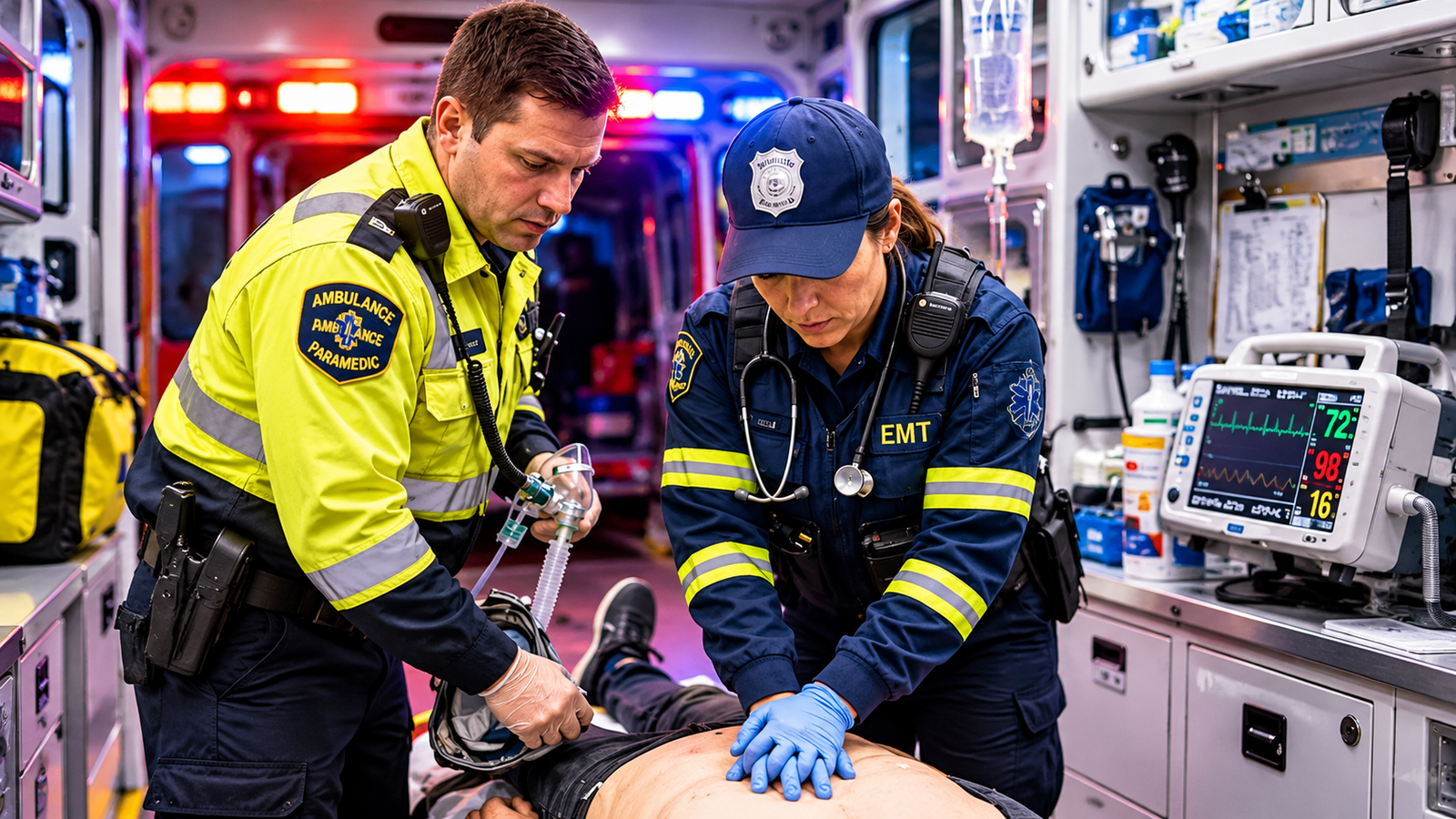
Advanced Cardiovascular Life Support, or ACLS, is designed for healthcare professionals who participate in managing cardiac arrest and other cardiovascular emergencies. It is commonly relevant to emergency department nurses, critical care clinicians, physicians, paramedics, and other professionals whose responsibilities include resuscitation.

Your employer determines whether ACLS is required for your position. Before registering, check whether your onboarding or renewal instructions specifically require an American Heart Association ACLS Provider eCard. cpr.heart.org

Where can Fort Pierce providers complete their training?

Finish Strong’s current option for providers traveling from Fort Pierce is its Port Saint Lucie training station:

1680 SW Bayshore Blvd, Suite 102
Port Saint Lucie, FL 34984

This is a Port Saint Lucie location serving providers from surrounding communities; it is not a Fort Pierce station. Review the available appointment times and plan your travel before booking. Finish Strong CPR

How does the ACLS station pathway work?

The process combines online learning with in-person skills verification:

  1. Choose the appropriate course package. Select online coursework plus skills if you need both components.
  2. Complete the assigned HeartCode ACLS coursework. Allow enough time to work through the material before your appointment.
  3. Attend your hands-on session. Follow your confirmation instructions and complete the required skills assessment.
  4. Receive your eCard after successful completion. Finish Strong offers same-day AHA eCards once all course requirements are met. Finish Strong CPR & Medical Training

Online coursework alone does not complete the certification. The hands-on component remains part of the AHA training pathway. cpr.heart.org

Should you book ACLS skills only?

Skills-only registration may be appropriate if you have already completed the required AHA HeartCode ACLS online portion.

Before purchasing, confirm that you have the correct course completion documentation. A certificate from a different online training company should not be assumed to satisfy the HeartCode prerequisite.

If you have not completed the online portion, select the combined online-and-skills option. Finish Strong’s registration instructions distinguish between these two bookings. Locations Throughout Florida

How should you prepare?

Review your course instructions before the appointment rather than waiting until you arrive. Have your required completion documentation available, check the address and access instructions, and wear clothing that allows you to perform hands-on skills comfortably.

If your employer has a submission deadline, schedule with enough time to complete the course and send in your updated card. An appointment reservation does not extend an expiring credential.

Book ACLS training near Fort Pierce

For Fort Pierce healthcare providers, completing the online learning before traveling to Port Saint Lucie can make the practical appointment easier to fit around work.

View Finish Strong’s ACLS online-and-skills options and select Port Saint Lucie to review availability.

How to Renew Your BLS Certification Before It Expires

An approaching BLS expiration date can create an avoidable problem when you are preparing for a new job, managing clinical requirements, or covering a busy work schedule.

Start by checking your current card, confirming your employer’s requirements, and allowing time to complete the required learning and skills assessment.

Whether you work in Stuart, Port Saint Lucie, West Palm Beach, Orlando, Fort Pierce, or Palm Bay, planning ahead gives you more flexibility and time to resolve questions before your deadline.

How often do you need to renew BLS?

AHA BLS course completion cards and Red Cross BLS certifications are valid for two years. Check the expiration information on your actual credential rather than relying on memory or an old registration email. cpr.heart.org

Your school or employer may require your card to remain valid throughout an assignment. For example, a clinical program may ask you to renew before a rotation starts if your certification would expire during that rotation.

What should you check before booking?

Confirm the required credential.
If your organization specifies AHA BLS, make sure the course you select issues that credential.

Check your submission deadline.
The date your employer needs your updated card may be earlier than the card’s expiration date.

Choose the correct registration option.
If you need both online coursework and hands-on skills, book the complete package. Skills-only registration is appropriate only when you have completed the accepted online component and meet the provider’s requirements.

These checks can prevent paying for the wrong course or arriving without the documentation needed to proceed.

What does BLS renewal involve?

Renewal requires demonstrating that you can still meet the course’s knowledge and practical skills requirements.

Depending on the provider and format, you may complete an instructor-led renewal course or a pathway combining online learning with hands-on assessment. Adaptive learning can adjust the educational experience to your knowledge, but it does not eliminate the practical component. cpr.heart.org

If you have not practiced recently, allow time to review and work on your skills. Choosing an appointment should account for the support and practice you need, as well as convenience.

What if your BLS card has already expired?

Contact your training provider to confirm the appropriate enrollment option. Do not assume you qualify for a particular shortened renewal course.

Also check with your employer or school about what an expired credential means for your work or clinical participation. Booking a future class does not itself renew your card.

Where can you renew with Finish Strong?

Finish Strong offers AHA BLS training at its current locations in:

  • Port Saint Lucie
  • Stuart
  • West Palm Beach/Lake Park
  • Orlando

Appointments are offered seven days a week, subject to availability. Fort Pierce residents can review the Port Saint Lucie station, while Palm Bay residents should check the current locations and select an appointment that works with their travel schedule. finishstrongcpr.com

Complete the assigned online learning before your skills appointment and review your arrival instructions in advance.

What should you do after renewing?

Once you receive your updated credential:

  1. Save a copy somewhere you can easily access.
  2. Submit it through your employer’s or school’s required process.
  3. Confirm that your record has been updated.
  4. Add reminders before the next expiration date.

Personal reminders at 90, 60, and 30 days before expiration can give you time to choose an appointment without a last-minute scramble.

For office managers, a staff tracker with each employee’s required credential, expiration date, and renewal status can help coordinate training before several cards expire at once.

Check Finish Strong’s BLS appointments or contact our team for help choosing the appropriate option.

Can You Get BLS Certified Online in Florida?

You can complete the coursework portion of many BLS programs online, but online coursework alone does not complete an AHA BLS Provider certification. You must also successfully complete the required hands-on skills component. cpr.heart.org

For healthcare workers balancing shifts in Orlando, West Palm Beach, Stuart, and Port Saint Lucie, this format can make training easier to schedule. It also gives students traveling from Fort Pierce or Palm Bay a way to complete the learning portion before visiting a training location.

What are the different BLS training formats?

Instructor-led classroom training

You complete instruction, practice, and testing with an instructor. This format may suit learners who prefer live explanations and opportunities to ask questions throughout the course.

Blended learning

You complete the online learning portion, such as HeartCode BLS, followed by the required hands-on skills session. The online and practical components together make up the certification pathway.

Self-guided learning

You complete online education and then practice and verify your skills at an approved CPR Verification Station. The equipment provides feedback as you work toward the required performance standards. cpr.heart.org

The key distinction is how instruction and assessment are delivered. Every option still requires successful completion of its practical skills requirements.

How long does BLS training take?

Course length depends on the format and your experience.

The AHA lists approximately 4.5 hours for its full instructor-led BLS course. HeartCode BLS online learning generally takes approximately one to two hours, with additional time for hands-on practice and assessment. Self-guided completion time varies by learner. cpr.heart.org

Finish Strong describes its station skills sessions as approximately 30–60 minutes. That is the hands-on portion—not the total time needed for both online coursework and skills completion. Allow additional time if you need more practice. finishstrongcpr.com

Should you book the complete course or skills only?

Choose your registration option based on what you have already completed:

  • Online coursework plus skills: Select this if you need both parts of your BLS training.
  • Skills only: Select this if you have already completed the appropriate HeartCode BLS online course and can provide the required completion documentation.

Finish Strong offers both options. Confirm that your online course meets the requirements before purchasing a skills-only appointment. finishstrongcpr.com

How should you prepare for your skills appointment?

A little preparation helps you arrive ready to train:

  1. Complete the assigned online coursework.
  2. Have your completion record available as instructed.
  3. Review the address, arrival instructions, and appointment time.
  4. Wear clothing that allows you to practice comfortably.
  5. Contact the training provider beforehand if you need accommodations.

Plan enough time to focus on your performance rather than rushing to finish before another commitment.

Where can you complete the hands-on portion?

Finish Strong’s current stations are in Port Saint Lucie, Stuart, West Palm Beach/Lake Park, and Orlando.

If you live in Fort Pierce, review Port Saint Lucie availability. If you live in Palm Bay, check the listed locations and travel requirements before booking. The Finish Strong locations page provides current station information. finishstrongcpr.com

Is the online completion certificate my BLS card?

Your online completion record confirms that you completed the coursework. Your BLS eCard follows successful completion of all required course components, including the hands-on assessment.

Finish Strong offers same-day AHA eCards after successful completion. finishstrongcpr.com

Choose your BLS online-and-skills or skills-only appointment.

What Is BLS Certification, and Who Needs It in Florida?

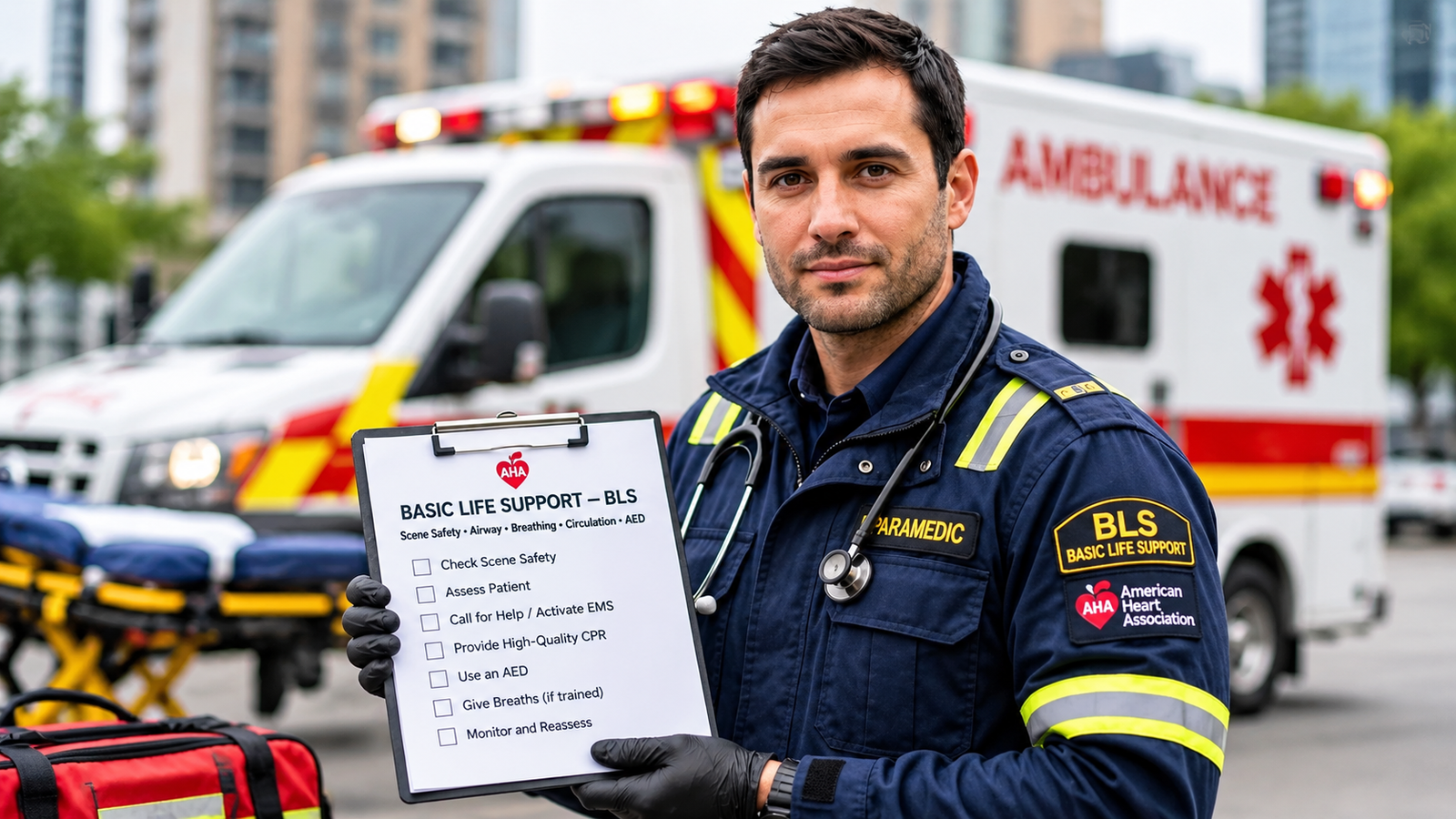
Basic Life Support (BLS) certification prepares healthcare professionals and first responders to recognize and respond to cardiac arrest, breathing emergencies, and severe airway obstruction. Training combines knowledge with hands-on practice so participants can perform essential lifesaving skills.

If you are starting a healthcare program, preparing for clinical rotations, or renewing an employment credential in Port Saint Lucie, Stuart, West Palm Beach, Orlando, Fort Pierce, or Palm Bay, understanding the requirements will help you choose the correct course.

Who needs BLS certification?

BLS is designed for healthcare professionals, trained first responders, and students entering healthcare fields. Common participants include:

  • Nurses and nursing students
  • Physicians and medical trainees
  • EMTs and paramedics
  • Dental professionals
  • Medical assistants and other clinical staff
  • Firefighters and public safety personnel whose roles require BLS

Your employer or school determines the credential you need. If your requirements specify American Heart Association BLS Provider certification, choose that course rather than assuming a general CPR certificate will qualify. cpr.heart.org

What does a BLS course cover?

BLS training focuses on recognizing an emergency, responding effectively, and working with other rescuers. Topics include:

  • Adult, child, and infant CPR
  • Early AED use
  • Breathing support, including bag-mask ventilation
  • Relief of severe airway obstruction
  • Single-rescuer and team response
  • Communication during resuscitation
  • Recognition and response to opioid-related emergencies

During an opioid emergency, naloxone does not replace necessary breathing support, CPR, or activation of emergency services. Training helps participants understand how these actions fit together. www.redcross.org

Hands-on practice connects what you learn with what you can perform. Recognizing the correct answer on a screen is only part of preparing to respond.

Do you have to pass a test?

BLS certification requires successful completion of the course’s learning and skills requirements.

For AHA instructor-led BLS, testing includes practical skills assessments and an exam with a minimum passing score of 84%. Other providers and adaptive online formats may use different assessment methods, so follow the requirements for your specific course. www.heart.org

How long does BLS certification last?

An AHA BLS Provider course completion card is valid for two years. Your employer or school may also require your certification to remain current throughout a clinical placement or work assignment. cpr.heart.org

Keep a copy of your eCard and record its expiration date as soon as you receive it.

Where can you get BLS certified in Florida?

Finish Strong CPR & Medical Training offers AHA BLS options at four current locations:

  • Port Saint Lucie
  • Stuart
  • West Palm Beach/Lake Park
  • Orlando

Healthcare workers and students in Fort Pierce can review appointments at the Port Saint Lucie station. Those in Palm Bay can check the current location list and choose an appointment that fits their travel plans. finishstrongcpr.com

Both the American Heart Association and American Red Cross offer BLS programs. Before registering, confirm which organization’s credential your employer accepts and select a course with the required hands-on component.

Explore Finish Strong’s AHA BLS courses and available appointments.

PALS Megacode Scenarios: The 2025 AHA Standards Every Healthcare Provider Needs to Know

PALS MEGACODE SCENARIOS

The 2025 AHA Standards Every Healthcare Provider Needs to Know

By Finish Strong CPR & Medical Training

Pediatric emergencies are unforgiving. A child in cardiac arrest or respiratory failure gives you seconds — not minutes — to make the right call. That’s exactly why the American Heart Association’s Pediatric Advanced Life Support (PALS) program exists, and why mastering the megacode scenarios at the heart of PALS certification is non-negotiable for every healthcare provider who works with children.

The 2025 AHA standards bring important updates to pediatric resuscitation — from refined weight-based dosing protocols to clearer decision trees for respiratory distress vs. failure vs. arrest. Whether you’re renewing your PALS certification or preparing for your first course, this guide walks you through the core megacode scenarios, what evaluators are looking for, and how the 2025 guidelines change the way you respond.


What Is a PALS Megacode — and Why Does It Matter?

A PALS megacode is a simulated, high-stakes pediatric emergency scenario used during certification testing. Unlike written exams or isolated skill stations, a megacode tests your ability to lead a resuscitation team, recognize deterioration, integrate algorithms in real time, and communicate clearly under pressure — simultaneously.

You’ll be assessed as the team leader. That means you’re not just performing skills; you’re directing your team, calling for medications, interpreting rhythm strips, reassessing the patient after every intervention, and making time-critical decisions out loud.

Passing isn’t about perfection. It’s about demonstrating that you have a systematic approach, you know when to escalate, and your team is moving in the right direction.


The 2025 AHA Updates You Need to Know

The AHA’s 2020 guidelines were a significant reset for pediatric resuscitation, and the 2025 updates build on that foundation with refinements backed by the latest evidence. Key changes affecting megacode performance include:


High-quality CPR standards remain the anchor. The 2025 guidelines continue to emphasize push hard, push fast — compression depth of at least one-third the anterior-posterior diameter of the chest (approximately 2 inches for most children, 1.5 inches for infants), rate of 100–120/min, full chest recoil, and minimized interruptions targeting a CPR fraction above 80%.

Epinephrine timing is reinforced. For non-shockable rhythms (PEA and asystole), give epinephrine as soon as IV/IO access is established — every 3–5 minutes thereafter. Don’t let rhythm checks or team transitions delay the first dose.

Ventilation during CPR. For intubated pediatric patients, the 2025 standard is one breath every 2–3 seconds (20–30 breaths/min), asynchronous with compressions. For non-intubated patients, the 15:2 compression-to-ventilation ratio remains the standard for two-rescuer pediatric CPR.

Post-resuscitation care starts in the room. The 2025 standards place greater emphasis on targeted temperature management, avoiding hyperthermia after ROSC, and initiating a post-cardiac arrest care bundle before the patient leaves your care area.


The Core PALS Megacode Scenarios

The AHA structures PALS megacodes around two primary arrest pathways and a set of pre-arrest recognition scenarios. Here’s what you need to know about each.

Scenario 1: Respiratory Distress Progressing to Failure

THE SETUP

An 8-year-old with a history of asthma presents with increased work of breathing, nasal flaring, intercostal retractions, SpO₂ of 88% on room air, and a respiratory rate of 38. He is anxious and unable to speak in full sentences.


What the evaluator is watching for

The primary objective here is recognition and intervention before respiratory failure becomes respiratory arrest. The cascade goes fast in children — once a child fatigues, they decompensate quickly.

Your first move is oxygen. High-flow O₂ via non-rebreather mask while you assess. You should be simultaneously calling for a bag-mask device and positioning the child upright.

In a known asthmatic, the cause is lower airway obstruction. Albuterol via nebulizer or MDI with spacer is first-line. Ipratropium adds anticholinergic bronchodilation. Systemic corticosteroids should be given early — their onset is delayed, so earlier is always better.

If SpO₂ doesn’t improve, be ready to escalate to CPAP or positive pressure ventilation with BVM. The moment you start assisting respirations, your team needs to know.

Key PALS Principle: Respiratory failure is the most common pathway to pediatric cardiac arrest. Treat aggressively before the child tires.


Scenario 2: Shock — Recognition and Management

THE SETUP

A 3-year-old girl presents after 3 days of vomiting and diarrhea. She is lethargic, HR 172, BP 72/40, capillary refill 4 seconds, extremities cool and mottled, absent radial pulses with a weak central pulse.


What the evaluator is watching for

This scenario tests your ability to classify shock and execute the correct fluid and vasopressor strategy. The 2025 AHA standard for pediatric shock resuscitation is 20 mL/kg IV/IO isotonic fluid bolus, reassessing after each bolus.

Shock classification determines your path:

  • Hypovolemic: fluids are your primary treatment
  • Distributive (septic): fluids + vasopressors if fluid-refractory (epinephrine or dopamine)
  • Cardiogenic: conservative fluid (5–10 mL/kg), vasopressors early, cardiology involvement
  • Obstructive: treat the underlying cause immediately — fluids alone will not fix this


Key PALS Principle: Compensated shock has a pulse and a blood pressure. Decompensated shock is the emergency. Know the difference — and treat compensated shock aggressively before it decompensates.


Scenario 3: Pulseless Arrest — VF / Pulseless VT (Shockable)

THE SETUP

A 10-year-old athlete collapses during practice. He is unresponsive, apneic, and pulseless. The monitor shows coarse ventricular fibrillation.


What the evaluator is watching for

The algorithm is shock-first. Deliver a single defibrillation at 2 J/kg for the first shock. After the shock, immediately resume CPR for 2 minutes before checking rhythm. Do not delay CPR to “see if it worked.”

After 2 minutes, check rhythm. If still VF/pVT, increase to 4 J/kg for subsequent shocks. Epinephrine 0.01 mg/kg IV/IO enters after the second shock, every 3–5 minutes. Amiodarone (5 mg/kg) or lidocaine (1 mg/kg) for shock-refractory VF/pVT after the third shock.

Search for reversible causes — the H’s and T’s — at every rhythm check. In a young athlete, consider hypertrophic cardiomyopathy, long QT syndrome, commotio cordis, and electrolyte abnormalities.


Key PALS Principle: Shock first, then CPR — immediately. Every second of delay to defibrillation reduces survival. Minimizing CPR interruptions is equally non-negotiable.


Scenario 4: Pulseless Arrest — Asystole / PEA (Non-Shockable)

THE SETUP

A 6-month-old infant is brought in by EMS. Parents found her unresponsive in her crib. She is apneic, pulseless, and the monitor shows a flat line.


What the evaluator is watching for

Non-shockable arrest in a child is almost always preceded by respiratory failure or shock. The algorithm is CPR + epinephrine. Start CPR immediately — two-thumb encircling technique for infants is the preferred 2-rescuer method per 2025 AHA standards.

Establish IV/IO access and give epinephrine 0.01 mg/kg as soon as access is secured. Repeat every 3–5 minutes. There is no role for defibrillation in asystole or PEA — delivering a shock to a non-shockable rhythm is a critical error that will fail your megacode.


The H’s and T’s are your roadmap — verbalize your search during the megacode:


The H’s The T’s
Hypoxia Tension pneumothorax
Hypovolemia Tamponade (cardiac)
Hydrogen ion (acidosis) Toxins
Hypo/Hyperkalemia Thrombosis (pulmonary)
Hypothermia Thrombosis (coronary)


Key PALS Principle: In non-shockable pediatric arrest, CPR quality and early epinephrine are your only tools. Maximize both. Find and fix the reversible cause.


Scenario 5: Bradycardia with a Pulse and Poor Perfusion

THE SETUP

A 2-year-old with a HR of 54, low blood pressure, altered mental status, and poor perfusion. Known history of a congenital heart defect.


What the evaluator is watching for

First, support oxygenation and ventilation. Hypoxia is the most common cause of bradycardia in children. Give high-flow O₂. If the rate doesn’t improve with oxygenation, move to medications.

  • Epinephrine (0.01 mg/kg IV/IO) — first-line for symptomatic bradycardia not responding to oxygenation
  • Atropine (0.02 mg/kg IV/IO, minimum 0.1 mg) — indicated for increased vagal tone or primary AV block
  • Transcutaneous pacing — if medications fail and the child is deteriorating; verbalize this in your megacode


Key PALS Principle: Treat the child, not just the number. Bradycardia with good perfusion needs monitoring. Bradycardia with poor perfusion needs intervention — now.


What PALS Megacode Evaluators Are Really Grading

Beyond algorithm adherence, evaluators are assessing your leadership and communication. The most common reasons providers fail a PALS megacode have nothing to do with forgetting a drug dose.


  • Closed-loop communication is mandatory. When you give an order, your team member must repeat it back and confirm execution.
  • Verbalize your thinking. Evaluators cannot read your mind. Say what you see. Thinking out loud is not a weakness — it’s leadership.
  • Manage the resuscitation, don’t participate in it. As team leader, step back, watch the whole patient, and direct your team.
  • Reassess after every intervention. Every medication, every fluid bolus, every shock — you must reassess and verbalize what you find.


Preparing for Your PALS Megacode: A 5-Step Framework


  1. Know your weight-based dosing cold. Use the Broselow tape during the scenario — but practice your calculations so you’re not starting from zero under pressure.
  2. Run the algorithms out loud. Don’t just read the algorithm cards. Verbalize them. Your mouth is slower than your brain — the real scenario will feel faster.
  3. Practice team leadership separately from clinical skills. Most providers over-rehearse the clinical steps and under-rehearse the leadership.
  4. Know your H’s and T’s reflexively. In every arrest scenario, be able to run through all ten reversible causes in under 30 seconds.
  5. Debrief every practice run. A 10-minute debrief after each simulation builds more competency than three additional run-throughs without reflection.


PALS certification isn’t a box to check. It’s a commitment to every child and family who will one day depend on you in their worst moment. The 2025 AHA standards represent our best current evidence for what works. Learn them. Practice them. Own them.


Ready to certify or recertify your team?

Finish Strong CPR & Medical Training offers on-site PALS and ACLS courses

with scenario-based instruction aligned to the latest 2025 AHA standards.

“Confident Teams. Compliant Workplaces.”


Tags: PALS · Pediatric Advanced Life Support · AHA 2025 · Megacode · Pediatric Resuscitation · CPR Certification · Finish Strong CPR

ACLS Megacode Scenarios: The 2025 AHA Standards Every Healthcare Provider Needs to Know

Most healthcare providers know what a Megacode is. Fewer understand what the 2025 American Heart Association guidelines changed about how one should be run — and why those changes matter in the room where your team actually works.

The AHA released its most significant update to CPR and Emergency Cardiovascular Care guidelines on October 22, 2025. These revisions are in effect through 2030 and represent the most current standard of care for every ACLS provider in the country. If your team was certified before October 2025, there are clinical details in this post that may differ from what you were taught. Read carefully.

This guide covers the seven core ACLS Megacode scenarios, the key 2025 guideline changes that affect each one, and what genuine Megacode preparation looks like beyond checking a certification box.

What an ACLS Megacode Actually Tests

An ACLS Megacode is a timed, team-based simulation of a real cardiac emergency. It is not a written test, and it is not a multiple-choice quiz. It places a provider — or a team of providers — in a scenario that closely mirrors what happens in a real code: a patient deteriorating in front of you, a monitor showing a rhythm that demands a decision, a crash cart that needs to be opened, and a team that needs to be led.

What instructors evaluate in a Megacode goes well beyond whether you know the algorithm. They assess whether you can apply the algorithm under pressure, communicate clearly to a team that is simultaneously performing compressions, managing an airway, and establishing IV access, and make correct decisions in the precise sequence the patient’s condition requires.

The 2025 guidelines place heightened emphasis on human factors — closed-loop communication, transparent role assignment, and coordinated team performance — as measurable components of resuscitation quality. Nearly half of resuscitation errors are attributable to communication and leadership failures, not clinical knowledge gaps. The Megacode now explicitly tests for both.

The 2025 Unified Chain of Survival

One of the most significant structural changes in the 2025 guidelines is the consolidation of the Chain of Survival into a single, unified framework covering adult and pediatric, in-hospital and out-of-hospital cardiac arrest. Previously, different chains existed for different settings. The 2025 update standardizes the model so every provider — regardless of setting — operates from the same mental framework.

This matters for Megacode preparation because it aligns the cognitive model you use during training with the one you will use in a real emergency, regardless of whether that emergency occurs in an ICU, an urgent care, a dialysis center, or a patient’s home.

7 ACLS Megacode Scenarios: 2025 Standards

1. Ventricular Fibrillation (V-Fib) and Pulseless Ventricular Tachycardia (pVT)

V-Fib and pulseless VT remain the highest-priority shockable rhythms in ACLS. The 2025 algorithm preserves the familiar structure — high-quality CPR, defibrillation, 2-minute cycles — but sharpens several clinical details that providers need to know.

  • What changed in 2025: The guidelines now explicitly prioritize IV access for drug delivery over intraosseous (IO) access. IO remains a reasonable option when IV cannot be obtained quickly without delaying key interventions, but the language is clear: IV first.
  • Epinephrine remains the standard vasopressor — and in 2025, it is the only vasopressor in the cardiac arrest algorithm. The routine administration of sodium bicarbonate, calcium, magnesium, or steroids in undifferentiated cardiac arrest is explicitly not recommended unless a specific indication exists.
  • Amiodarone and lidocaine remain acceptable antiarrhythmics for refractory VF/pVT. The 2025 guidelines present them as reasonable alternatives.
  • Waveform capnography is reinforced as the standard for monitoring CPR quality and detecting return of spontaneous circulation (ROSC).
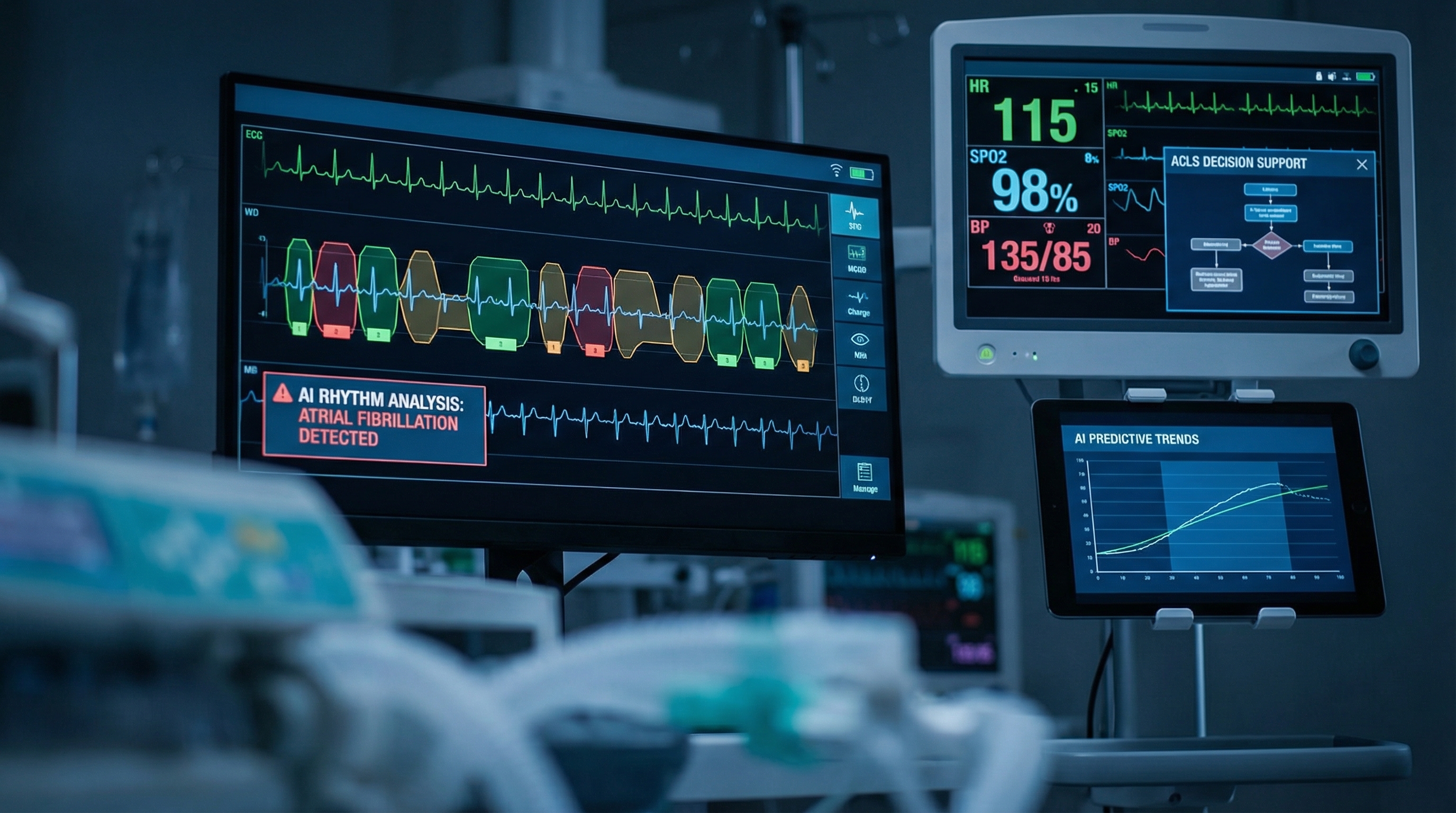
AFIB Rhythm Strips

2. Pulseless Electrical Activity (PEA) and Asystole

PEA is the scenario that exposes the difference between a provider who has memorized an algorithm and one who actually understands resuscitation. The monitor shows organized electrical activity. There is no pulse. The team must maintain CPR, administer epinephrine, and simultaneously work through the reversible causes — the H’s and T’s.

What changed in 2025: The post-cardiac arrest care pathway following ROSC in PEA has been deepened significantly. The 2025 guidelines treat post-arrest care as a continuation of resuscitation, not a handoff. Updated parameters include tighter guidance on oxygenation targets, blood pressure targets, temperature management strategy, and neurologic assessment protocols.

The H’s: Hypovolemia, Hypoxia, Hydrogen ion (acidosis), Hypo/hyperkalemia, Hypothermia, Hypoglycemia.

The T’s: Tension pneumothorax, Tamponade (cardiac), Toxins, Thrombosis (pulmonary), Thrombosis (coronary/STEMI).

3. Tachycardia — Unstable and Stable

Tachycardia management in ACLS requires the provider to make a critical binary decision before any treatment: is this patient stable or unstable? The answer determines everything that follows.

An unstable tachycardia requires immediate synchronized cardioversion. This is not a medication-first situation. The 2025 guidelines sharpen the emphasis on this decision point, reinforcing that unstable patients should not receive drug trials before electrical therapy.

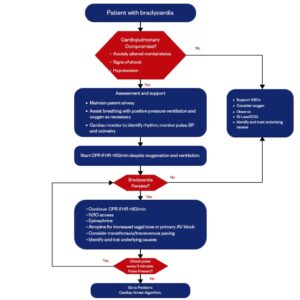
4. Bradycardia With a Pulse

Symptomatic bradycardia is managed based on clinical presentation, not heart rate alone. The 2025 guidelines reinforce that treatment is driven by symptoms and perfusion status.

What changed in 2025: Atropine dosing is confirmed at 1 mg IV bolus, repeated every 3–5 minutes to a maximum of 3 mg. The older 0.5 mg dosing has been definitively replaced. Dopamine infusion is reaffirmed at 5–20 mcg/kg/min.

5. Stroke

Stroke is included in ACLS because rapid recognition and the first-hour response directly determine whether a patient has access to time-sensitive interventions. Every minute of untreated ischemic stroke results in the loss of approximately 1.9 million neurons.

The Cincinnati Prehospital Stroke Scale (FAST — Face, Arms, Speech, Time) remains the primary recognition tool. Time of last known well, not time of symptom recognition, is the critical clock that governs treatment eligibility.

6. STEMI — ST-Elevation Myocardial Infarction

STEMI represents complete occlusion of a coronary artery with ongoing myocardial ischemia. Door-to-balloon time (for primary PCI) is the metric that determines outcome.

2025 clinical priorities: Recognize the STEMI ECG pattern. Initiate dual antiplatelet therapy. Activate the Cath Lab. Manage pain, anxiety, and oxygen appropriately — noting that supplemental oxygen is indicated only when SpO₂ is below 90%.

7. Respiratory Arrest and Opioid-Associated Emergencies

The 2025 AHA guidelines made a significant structural addition by explicitly incorporating naloxone into the algorithm for suspected opioid-associated cardiac arrest and respiratory arrest.

What changed in 2025: Naloxone is now explicitly positioned in the algorithm for respiratory arrest in the context of suspected opioid overdose. If a pulse is present but the patient is not breathing adequately, rescue breathing and naloxone administration are the first-line response.
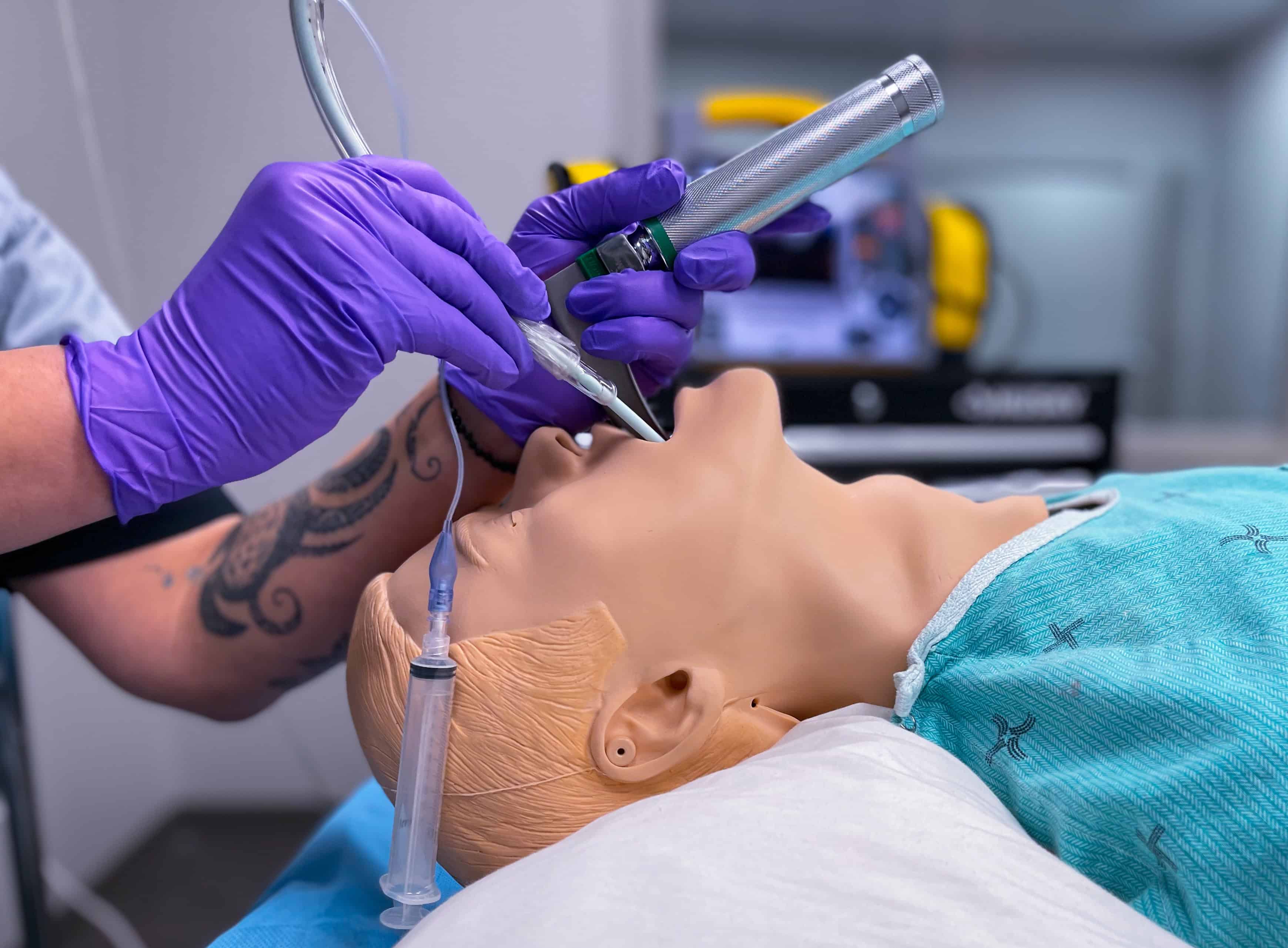
Airway Management and Intubation

Key Components of Every Megacode: 2025 Standards

  • Initial Assessment: High-quality compressions (100–120/min, at least 2 inches depth, full recoil, minimized interruptions) must be maintained throughout code.
  • Waveform Capnography: The 2025 guidelines reinforce ETCO₂ monitoring for real-time CPR quality assessment and ROSC detection.
  • Airway Management: Bag-mask ventilation remains the first-line airway intervention. Advanced airway placement is appropriate when prolonged resuscitation makes continuous bag-mask ventilation impractical.
  • Medication Administration: IV access is prioritized. IO is the backup.
  • Team Communication: Closed-loop communication is a measurable resuscitation competency.
  • Post-Resuscitation Care: ROSC is not the finish line. The team leader is expected to have a post-ROSC plan ready before ROSC is achieved.

Megacode Team Roles

Every position in a Megacode team is an evaluated role:

  • Team Leader: Directs the resuscitation, makes clinical decisions, maintains situational awareness.
  • Compressor: Delivers high-quality CPR and calls for rotation at the 2-minute mark.
  • Airway Manager: Maintains patent airway, delivers ventilations.
  • IV/IO and Medication Nurse: Establishes access and administers medications.
  • Monitor/Defibrillator Operator: Interprets rhythms, charges and clears for defibrillation.
  • Recorder/Timer: Tracks CPR cycles, medication timing, and clinical events.

What Separates a Prepared Team From a Certified One

A passed Megacode means the provider demonstrated minimum competency in a controlled setting. A prepared team means the skills are automatic enough to survive the additional cognitive load of a real emergency.

The 2025 AHA guidelines are not just a list of clinical updates. They represent a framework for resuscitation that is more precise, more team-centered, and more demanding than the 2020 guidelines they replace.

Train to the 2025 Standard on the Treasure Coast

At Finish Strong CPR & Medical Training, every ACLS course we teach reflects the current 2025 AHA guidelines. We offer same-day ACLS certification with digital eCard issuance on completion, on-site group training for clinical teams across Martin County and St. Lucie County, and a managed renewal calendar so your team is never caught with an expired card.

Confident Teams. Compliant Workplaces.

Schedule Your Certification Today

This content reflects highlights from the American Heart Association’s 2025 CPR & ECC Guidelines, released October 22, 2025. For complete official recommendations, visit cpr.heart.org. Finish Strong CPR & Medical Training is an independent multi-certified training organization and is not affiliated with or endorsed by the American Heart Association.

 

Developer and Managed by Pixel Pop Creatives + Humza Ahmed