
BLS Certification for Nursing Students: What You Need Before Clinicals


BLS Certification for Nursing Students: What You Need Before Clinicals
Starting nursing school clinicals is exciting, but it also comes with a long list of requirements. One of the most common is BLS certification for nursing students.
Before you register for just any CPR class, make sure you know exactly which certification your nursing program or clinical site requires.
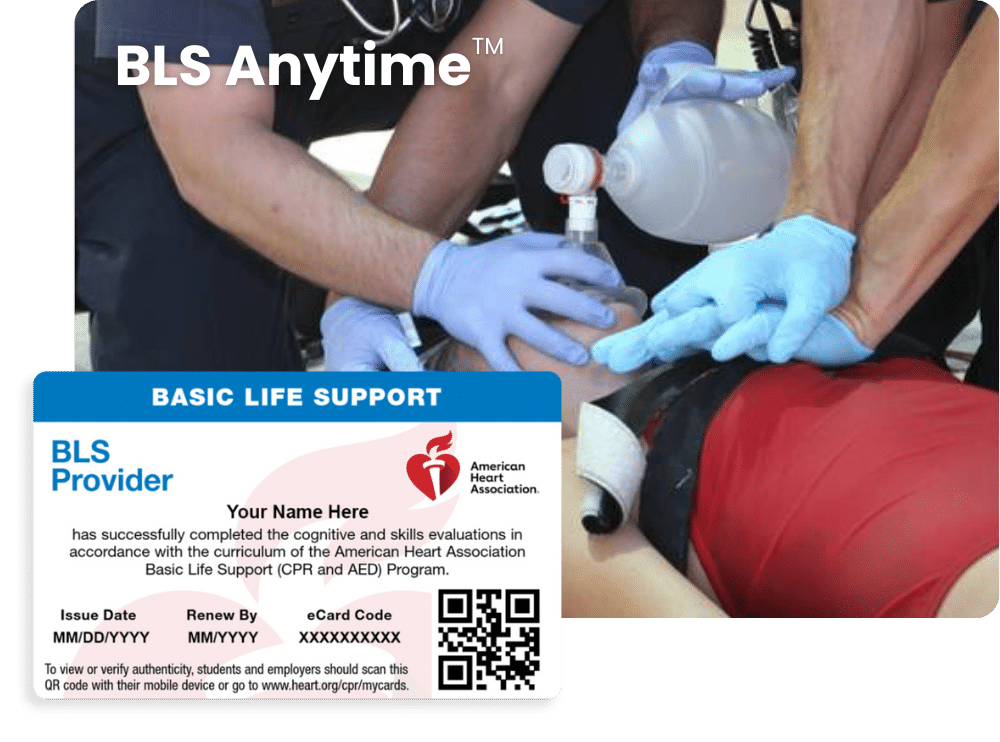
Many healthcare programs require American Heart Association (AHA) BLS Provider certification before students can begin clinical rotations.
Here is what nursing students should know before getting certified.
Finish Strong CPR & Medical Training provides AHA BLS training options for nursing and healthcare students in Orlando, West Palm Beach, Port Saint Lucie, and Stuart, Florida.
What BLS Certification Do Nursing Students Need?
Nursing students commonly need BLS Provider certification designed for healthcare professionals.
BLS stands for Basic Life Support.
BLS training prepares healthcare professionals and students to respond to cardiac arrest, respiratory arrest, choking, and other life-threatening emergencies.
However, not every CPR certification is interchangeable.
Your nursing program may specifically require an American Heart Association BLS Provider certification.
Before registering, check your school’s requirements carefully.
Is CPR Certification the Same as BLS Certification?
Not necessarily.
This is an important distinction for nursing students.
A general CPR/AED course may be appropriate for teachers, coaches, workplaces, or members of the public but may not satisfy a nursing program’s healthcare-provider BLS requirement.
BLS training is specifically designed for healthcare professionals and students entering healthcare environments.
If your paperwork says BLS Provider, don’t assume that a general CPR certification will be accepted.
Why Do Nursing Students Need BLS Before Clinicals?
Clinical rotations place nursing students in real healthcare environments where emergencies can occur.
BLS prepares students to recognize and respond to life-threatening situations while functioning effectively as part of a healthcare team.
Training includes skills such as:
- High-quality CPR
- AED use
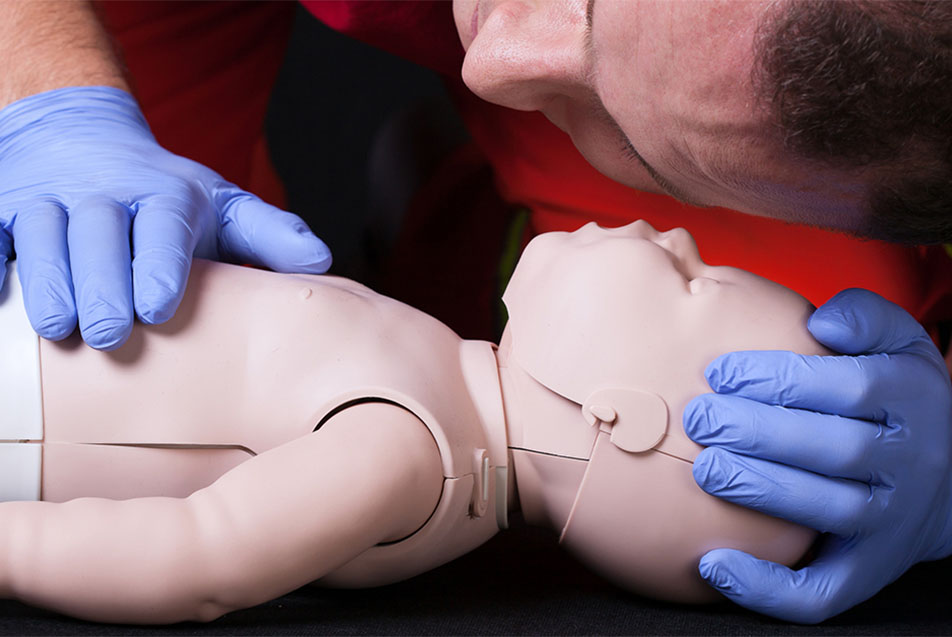
- Adult, child, and infant resuscitation
- Ventilation
- Choking response
- Team-based resuscitation
- Recognition of cardiac arrest
These are foundational skills for healthcare professionals.
What Should You Expect During BLS Training?
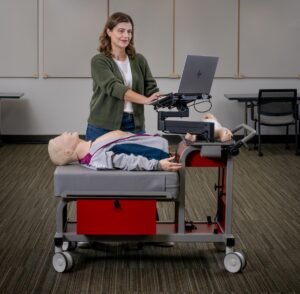 BLS training combines knowledge with hands-on skills.
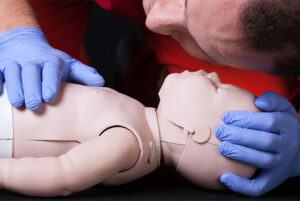
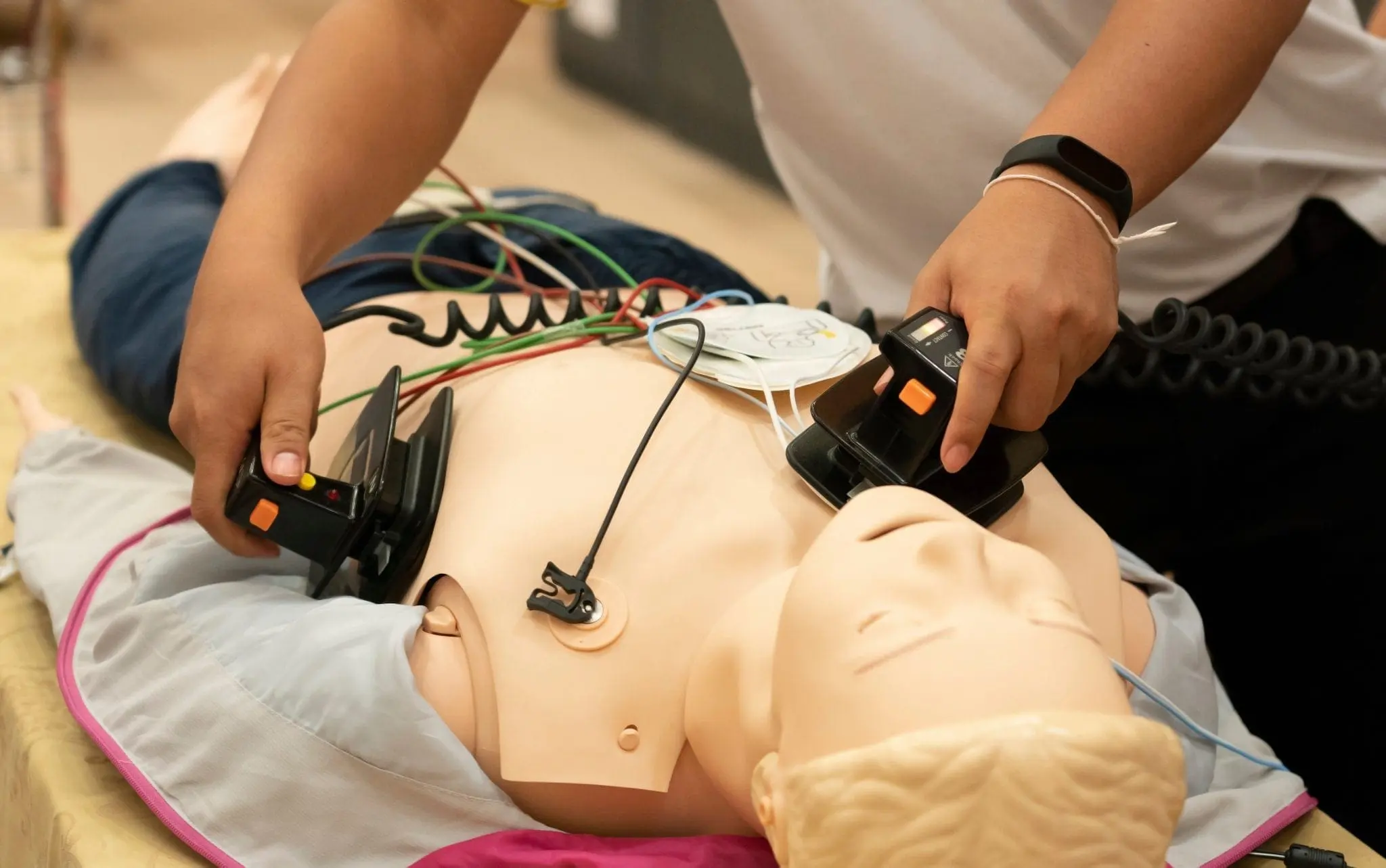
Students should expect to practice CPR, ventilation, AED use, and team-based resuscitation.
Depending on the course format, training may be completed through a traditional instructor-led course or an approved blended-learning option that combines online coursework with hands-on skills.
The important part is making sure the final credential satisfies your nursing program’s requirements.
Can Nursing Students Take BLS Online?
Part of your BLS training may be available online through an approved blended-learning program.
For example, AHA HeartCode BLS combines online coursework with a required hands-on skills component.
This can be especially convenient for nursing students balancing classes, studying, work, and clinical preparation.
However, be careful with websites advertising “100% online BLS certification.”
If your nursing school requires an AHA BLS Provider credential, an unrelated online-only CPR certificate may not be accepted.
Verify the credential before paying for a course.
How Long Does BLS Certification Last?
American Heart Association BLS Provider course completion cards are valid for two years through the end of the month in which they were issued.
That means many nursing students can use the same certification through multiple semesters of their program.
However, if your BLS expires while you are enrolled, your school or clinical site may require you to renew it before continuing clinical rotations.
Keep track of your expiration date.
When Should You Get BLS Certified Before Clinicals?
Do not wait until the night before your paperwork is due.
Nursing programs may require proof of certification before allowing students to participate in clinical rotations.
Give yourself enough time to:
- Complete any required online coursework
- Complete your hands-on skills training
- Receive your certification
- Submit documentation to your nursing program
Getting certified early eliminates one more problem during an already busy semester.
What Should Nursing Students Bring to BLS Training?
Follow the instructions provided by your training center.
If you are completing a blended-learning course, make sure all required online coursework is completed before your hands-on appointment.
You may also need to provide proof of course completion before beginning the skills portion.
Wear comfortable clothing because BLS requires hands-on CPR practice.
Common BLS Mistakes Nursing Students Should Avoid
Choosing the Wrong CPR Course
Do not register for a course simply because it says “CPR certification.”
Check whether your program specifically requires AHA BLS Provider certification.
Waiting Until the Last Minute
Clinical deadlines arrive quickly.
Waiting can leave you scrambling for an appointment when other students are trying to meet the same deadline.
Choosing an Online-Only Certification Without Checking
A cheap online certificate is not a bargain if your nursing program refuses to accept it.
Verify the issuing organization and course requirements first.
Forgetting Your Expiration Date
BLS certification does not last throughout an entire healthcare career.
Keep your certification expiration date somewhere you will actually see it.
BLS Certification for Nursing Students in Orlando, West Palm Beach, Port Saint Lucie & Stuart
Finish Strong CPR & Medical Training provides American Heart Association BLS training options for nursing students and healthcare professionals throughout Florida.
BLS Certification for Nursing Students in Orlando
Nursing and healthcare students in Central Florida can access AHA BLS training through our Orlando training location.
Students can complete required BLS certification while preparing for clinical rotations, healthcare employment, or program requirements.
BLS Certification for Nursing Students in West Palm Beach
Our West Palm Beach-area training location in Lake Park provides AHA BLS training options for nursing and healthcare students throughout Palm Beach County.
BLS Certification for Nursing Students in Port Saint Lucie
Nursing students throughout the Treasure Coast can access AHA BLS training at our Port Saint Lucie training location.
This provides a convenient option for students preparing for clinical requirements or healthcare employment.
BLS Certification for Nursing Students in Stuart
Our Stuart training location serves nursing and healthcare students throughout Stuart, Martin County, and surrounding communities.
Students can complete AHA BLS training before beginning clinical rotations or when an existing certification needs renewal.
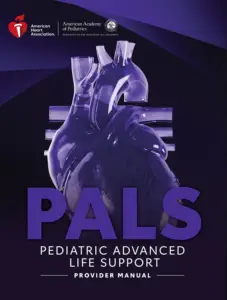
Do Nursing Students Need ACLS or PALS?
Most nursing students should follow the specific requirements provided by their program.
BLS is a common foundational requirement, while ACLS or PALS may be required later depending on the nursing program, clinical placement, specialty, or employer.
Do not purchase additional certifications simply because you think you might need them.
Check your school’s requirements first.
As your nursing career progresses, certifications such as ACLS and PALS may become important for emergency, critical care, pediatric, and other specialized clinical roles.
Get BLS Certified Before Your Nursing Clinicals
Your clinical requirements are stressful enough. Your BLS certification should not be.
Finish Strong CPR & Medical Training provides American Heart Association BLS training for nursing students in Orlando, West Palm Beach, Port Saint Lucie, and Stuart, Florida.
Check your nursing program’s requirements, choose the correct BLS course, and complete your certification before your clinical deadline.
Need BLS for nursing school? Schedule your AHA BLS training with Finish Strong CPR & Medical Training.
Frequently Asked Questions About BLS for Nursing Students
What BLS certification do nursing students need?
Many nursing programs require American Heart Association BLS Provider certification. Always verify your individual school’s requirements before registering.
Can I take BLS online for nursing school?
AHA HeartCode BLS combines online learning with a hands-on component. Check with your nursing program to confirm which course formats it accepts.
How long does BLS certification last?
AHA BLS Provider course completion cards are valid for two years through the end of the month in which they were issued.
Is CPR certification enough for nursing school?
Not necessarily. A general CPR course may not satisfy a program that specifically requires healthcare-provider BLS certification.
When should I get BLS before clinicals?
Complete your BLS certification well before your program’s documentation deadline so you have enough time to finish all requirements and submit your credential.
Where can nursing students get BLS certified in Florida?
Finish Strong CPR & Medical Training provides AHA BLS training options in Orlando, West Palm Beach, Port Saint Lucie, and Stuart, Florida.
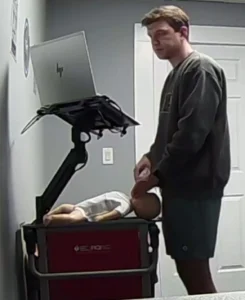
 ACLS renewal allows healthcare professionals to refresh and demonstrate their knowledge and skills in advanced cardiovascular life support before their current certification expires.
 BLS training covers topics such as:
 These may include:
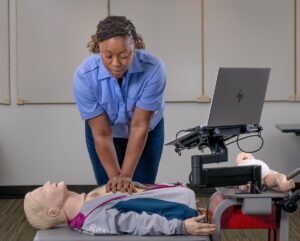 Requirements depend on the nurse’s position, employer, and clinical setting.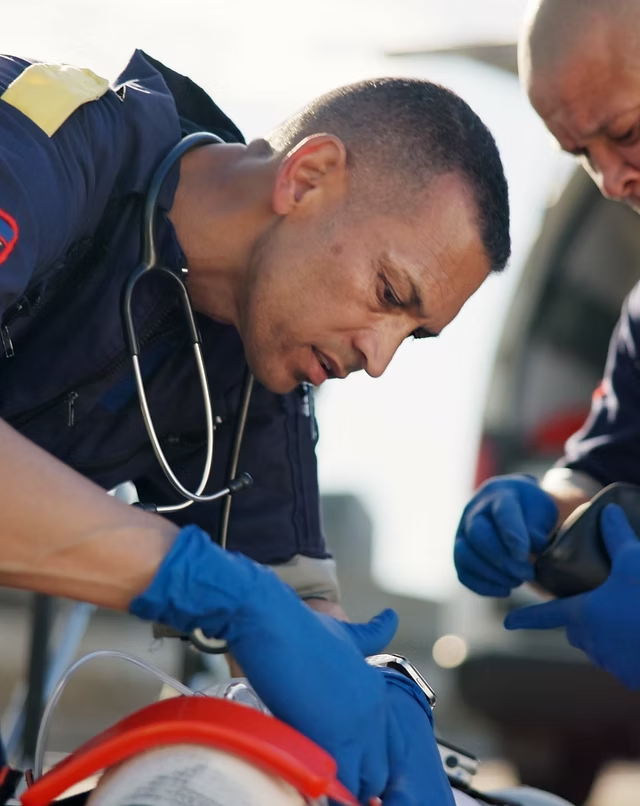
 If your Basic Life Support certification is approaching its expiration date, you may be wondering what you need to do for BLS renewal.
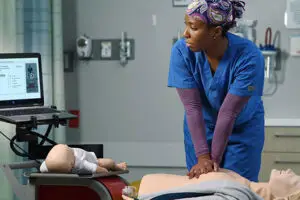 AHA also offers self-guided BLS training at approved CPR Verification Stations. These stations provide real-time feedback while you complete your hands-on skills.